
Lifestyle
Sea Glass Sea Glass: The Fascinating Story Behind Nature’s Frosted Coastal Treasures

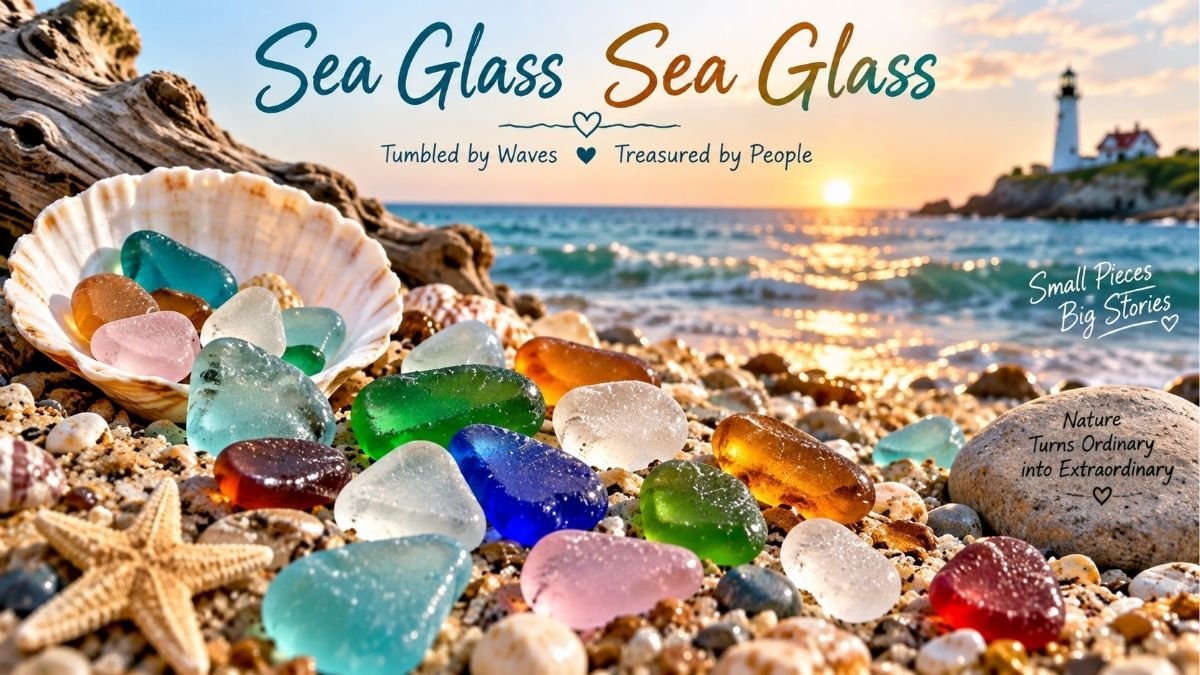
There is something unusually satisfying about finding a small piece of smooth, frosted glass resting among stones and shells on a shoreline. What was once an ordinary bottle, jar, tableware fragment, or other discarded glass object can gradually become a softly rounded treasure after years of exposure to water, sand, rocks, and changing coastal conditions. This transformation gives sea glass its distinctive appearance and explains why beachcombers, artists, jewelry makers, and collectors keep searching shorelines for it.
The phrase sea glass sea glass may look repetitive, but people searching for it are generally trying to understand authentic sea glass, its formation, colors, rarity, value, identification, and collecting methods. Genuine sea glass is especially interesting because no two pieces follow the same journey. Shape, color, thickness, surface texture, and even tiny markings can offer clues about a fragment’s original purpose and the environment that shaped it.
What Is Sea Glass?
Sea glass is glass that has entered a marine or shoreline environment and gradually been altered by natural physical processes. Waves, currents, sand, pebbles, and rocks can repeatedly move broken pieces. Sharp edges eventually soften and round, while the originally glossy surface can develop the familiar frosted appearance of mature sea glass.
A newly broken bottle on a beach should not automatically be considered authentic sea glass. Genuine pieces normally show signs of significant natural weathering rather than simply having broken edges. Collectors often look for smoothness, rounded corners, surface frosting, tiny pits, and irregularities caused by long-term natural exposure.
This makes every authentic piece a small record of movement and time. It may have come from an old beverage bottle, medicine container, household jar, decorative object, tableware item, window glass, or another manufactured product. Once separated from its original object, however, its identity can become much more mysterious.
How Does Sea Glass Form Naturally?
Natural sea glass forms through a slow physical transformation rather than an instant chemical process. Waves move it across sand and rocks, producing repeated abrasion. Storms can shift fragments considerable distances, bury them, expose them again, or carry them into new sections of coastline.
Each movement can remove tiny amounts of material from the glass. Over enough cycles, sharp corners become rounded and flat surfaces develop an aged appearance. Saltwater exposure, minerals, sediment, and environmental conditions may also influence how the surface looks.
Not every glass fragment becomes an attractive collector-quality piece. Some pieces break into fragments that are too small. Others remain protected beneath sediment and experience relatively little abrasion. Some can retain noticeably sharp sections even after spending considerable time near water.
This unpredictability is one reason authentic sea glass remains interesting. A machine can imitate rounded glass, but an uncontrolled environment has shaped natural pieces.
Why Does Sea Glass Have a Frosted Surface?
One of the easiest features to spot is the cloudy, frosted finish. Ordinary manufactured glass is generally smooth and reflective. After long exposure to water and abrasive material, microscopic changes begin affecting its surface.
Sand, stone, and repeated movement wear away the glossy exterior. Tiny imperfections accumulate, scattering light instead of reflecting it from a perfectly smooth surface. This gives genuine sea glass its softer appearance.
The effect can vary considerably. Some pieces are heavily frosted and almost opaque around their edges, while others remain partly transparent. Sea glass texture depends on the original glass, thickness, environment, movement, and exposure time.
Collectors should therefore avoid assuming that every genuine piece must look identical. Natural weathering is irregular, and that irregularity is part of sea glass’s appeal.
Understanding Sea Glass Colors
Color is one of the most exciting parts of collecting. White sea glass, which usually began as clear glass, is common because transparent containers have historically been widespread. Brown and green pieces are also familiar to many beachcombers because these colors have long been used in bottles and packaging.
More unusual colors immediately attract attention. Depending on location and historical activity, collectors may encounter shades of cobalt blue, turquoise, aqua, lavender, purple, red, orange, yellow, pink, and deep green.
A color’s rarity often reflects how commonly that glass was originally manufactured and discarded. If millions of containers were produced in one color but relatively few products used another, surviving weathered fragments will naturally appear at very different frequencies.
Color alone, however, should never authenticate a piece. Artificially tumbled glass can be made in almost any color. Consider surface texture, shape, edge wear, thickness, bubbles, markings, and overall appearance together.
Why Rare Sea Glass Colors Attract Collectors
Collectors are naturally drawn to objects that are difficult to find. Finding an uncommon sea glass color can therefore feel much more exciting than discovering another familiar brown or clear piece.
A rare fragment may have originated from an unusual bottle, decorative glass, old tableware, specialty container, signal glass, or another product produced in relatively limited quantities. Sometimes even a tiny piece can encourage research into historic glass manufacturing and packaging.
This historical dimension separates serious collecting from simply gathering colorful stones. Experienced enthusiasts may study glass history, old bottle designs, manufacturing methods, trademarks, embossed letters, and regional industries to understand where individual pieces originated.
Nevertheless, approach rarity carefully. A beautiful color does not automatically make a fragment ancient or valuable. The piece still needs to be evaluated in context.
Sea Glass vs Beach Glass: Is There a Difference?
The terms are sometimes used interchangeably, but collectors may distinguish them based on where the glass developed.
Sea glass usually refers to fragments naturally weathered in saltwater coastal environments. Beach glass can be used more broadly and is often associated with glass smoothed along freshwater shorelines, lakes, and rivers.
Both can become rounded and attractive, but differences in water chemistry, wave conditions, sediment, minerals, and movement can create variations in texture and frosting.
For casual beachcombers, the distinction may not be particularly important. For dedicated collectors, however, information about where a piece was found can become part of its provenance and story.
How to Identify Authentic Sea Glass
Authenticating sea glass requires looking beyond color. Genuine mature pieces generally have edges that no longer resemble freshly broken glass. Corners should feel rounded rather than razor sharp, although irregular shapes are completely normal.
The surface often appears naturally frosted, with small imperfections instead of an overly uniform manufactured finish. Tiny curved marks, pits, scratches, uneven wear, bubbles, embossed fragments, and thickness variations can provide additional clues.
Artificial or mechanically tumbled glass may sometimes look too consistent. Pieces can have similar sizes, unusually uniform rounding, or surfaces that look polished rather than naturally aged.
No single feature provides absolute certainty in every case. Identification becomes easier with experience because collectors learn to recognize the subtle differences between naturally weathered glass and recently manufactured decorative material.
Where Is Sea Glass Usually Found?
Sea glass can potentially appear on many shorelines, but some environments are much more productive than others. Beaches near historic settlements, old ports, former industrial areas, shipping routes, fishing communities, or locations with long histories of glass use may produce more finds.
Shorelines containing a mixture of pebbles, gravel, shells, and coarse sand can sometimes hold glass more effectively than long stretches of extremely fine sand. Natural coves and areas where currents deposit material may also be promising.
Storm activity can dramatically rearrange a beach. A location that appears empty one week might reveal new material after powerful waves expose older layers of gravel.
The best approach is patience. Sea glass hunting is less about guaranteed results and more about observing how a shoreline changes.
Best Time to Search for Sea Glass
Timing can make beachcombing more productive. Lower water levels or low tide can expose areas that were previously underwater. Searching after storms can also reveal material that waves have moved or uncovered.
Early morning is popular with collectors because beaches may be quieter and newly deposited objects easier to notice before heavy foot traffic begins.
Walking slowly is more effective than covering large distances quickly. Sea glass can easily blend with wet stones, shells, and seaweed. Some pieces become much more visible when sunlight passes through them.
Safety remains more important than collecting. Avoid unstable cliffs, strong surf, dangerous tides, restricted areas, and hazardous weather simply to reach a promising section of shoreline.
Can You Collect Sea Glass From Every Beach?
No. Local rules can vary significantly.
Some shorelines allow visitors to take small naturally occurring items, while protected parks, reserves, archaeological areas, or specially managed beaches may prohibit removing glass, stones, shells, artifacts, or other materials.
Responsible collecting means checking the rules before taking anything home. Historic artifacts may also be legally protected, even if they resemble ordinary sea glass.
Collectors should also avoid breaking bottles or placing glass into the ocean to create future sea glass. Doing so introduces dangerous waste into the environment and puts wildlife and people at risk.
What Can You Do With Collected Sea Glass?
A collection does not need to become jewelry to be enjoyable. Many collectors organize pieces by color, size, shape, location, or suspected age and display them in clear jars or shadow boxes.
Artists use suitable pieces in mosaics, framed artwork, decorative displays, ornaments, and craft projects. Jewelry makers may turn especially attractive pieces into pendants, earrings, bracelets, or rings.
Pieces with recognizable lettering, numbers, patterns, bottle bases, or unusual shapes can be particularly interesting to preserve rather than alter because these features may provide clues about their history.
Even common fragments can look beautiful when grouped by color, making sea glass an accessible collecting hobby that doesn’t require every piece to be rare.
Is Sea Glass Valuable?
Sea glass has no single fixed value. Most ordinary pieces have modest monetary importance, while unusual examples can attract considerably more collector interest.
Factors that may influence desirability include color rarity, size, condition, degree of natural weathering, identifiable markings, historical significance, unusual shapes, and provenance.
A recognizable fragment from an old bottle may sometimes be more interesting than a perfectly smooth but anonymous piece because it provides historical information.
Buyers should also remain aware that decorative tumbled glass is widely available. Anyone buying supposedly genuine material should carefully review the seller’s description and understand that appearance alone may not prove origin.
Why Sea Glass Continues to Fascinate People
Sea glass sits at an unusual intersection between human history and natural transformation. Unlike a gemstone formed entirely through geological processes, most sea glass began as a manufactured object. Human activity created it, but water and time completely changed its appearance.
That transformation explains the familiar description of sea glass as trash turned into treasure. An unwanted fragment that might once have been considered litter can eventually become an object someone carefully displays or incorporates into artwork.
Uncertainty also plays a role. A beachcomber never knows exactly what the next wave, storm, or stretch of gravel might reveal. That unpredictability keeps the hobby engaging even for experienced collectors.
FAQs
What is sea glass made from?
Sea glass is generally made from ordinary manufactured glass that entered a marine environment and was gradually rounded and weathered through repeated interaction with water, sand, rocks, and other abrasive material.
How can you tell whether sea glass is real?
Authentic pieces often show naturally rounded edges, irregular frosting, small surface marks, pits, and uneven weathering. Very uniform pieces may have been mechanically tumbled, although identification should consider several characteristics together.
What are the most common sea glass colors?
Clear glass weathered into white or frosted pieces is common, while green and brown are also frequently encountered because those colors have historically been widely used for bottles and containers.
Are unusual sea glass colors more valuable?
They can attract stronger collector interest because some colors originated from less common glass products. However, rarity, authenticity, condition, size, markings, provenance, and historical interest all affect desirability.
Can sea glass still have sharp edges?
A mature piece normally has substantially softened edges, but naturally weathered glass can remain irregular. Handle fresh, sharp fragments cautiously, and don’t automatically consider them collectible sea glass.
Conclusion
The appeal of sea glass comes from much more than its attractive colors. Every genuine piece represents the meeting of manufactured history and natural coastal forces. Bottles, jars, tableware, and other glass objects can lose their original identities as waves gradually soften their edges and transform glossy surfaces into distinctive frosted fragments.
For collectors, the excitement lies in searching, identifying colors, examining markings, researching possible origins, and appreciating the uncertainty surrounding each discovery. Common white, green, and brown pieces can be enjoyable, while unusual blues, purples, reds, oranges, and other shades add another level of fascination.
Most importantly, responsible sea glass collecting should respect local regulations, protected shorelines, historical artifacts, wildlife, and coastal environments. Whether displayed in a jar, studied as a historical clue, incorporated into artwork, or kept as a reminder of a day at the shore, authentic sea glass shows how time and nature can transform an ordinary discarded fragment into something people genuinely value.

Philip Tindall: The Remarkable Life of Mike Tindall’s Father and Former Rugby Captain

Finn Sinclair: Amazing Facts About Olivia Colman’s Son and His Private Life

Maureen E. McPhilmy: The Difficult Divorce from Bill O’Reilly and Her Life Beyond the Headlines

Jessica de Rothschild: The Remarkable Career, Family and Philanthropy of Sacha Gervasi’s Wife

Caroline Friend: The Opera Singer and Audiobook Director Behind Rosamund Pike’s Success

Ted Beckham: The Remarkable Story of David Beckham’s Father

Charlie Comer: Amazing Facts About Jodie Comer’s Brother and His Football Career

Louis Thomas Hardy: Essential Facts About Tom Hardy’s Eldest Son

Elizabeth Anne Hardy: Fascinating Facts About Tom Hardy’s Mother and Her Artistic Life

Cyndy Powell: The Inspiring Story of Glen Powell’s Mother and Her Hollywood Cameos

Mary Joan Hansen: What Is Known About Chris Hansen’s Former Wife

Debbie Paphitis: The Enduring Marriage and Private Life of Theo Paphitis’ Wife

Sam Handel: The Filmmaker, Photographer and Lauren Ambrose’s Husband

Judith Hurst: Who Is Geoff Hurst’s Wife and What Is Known About Their Life Together?

Sophie Redgrave: Who Is Sir Steve Redgrave’s Daughter and What Is Known About Her?

Nerwey Explained: The Truth Behind the Emerging Online Name and Its Digital Identity

Adele Georgiana Gianopoulos: Facts About Molly Ringwald’s Daughter

Eulala Scheel: Marcia Gay Harden’s Child, Acting Credits and Creative Career

Myreadibgmsngs: The Mysterious Search Term Explained, Its Meaning, Origins, and Online Safety

Londa Butler: What Is Publicly Known About Jimmy Butler’s Mother
Philip Tindall: The Remarkable Life of Mike Tindall’s Father and Former Rugby Captain
Finn Sinclair: Amazing Facts About Olivia Colman’s Son and His Private Life
Maureen E. McPhilmy: The Difficult Divorce from Bill O’Reilly and Her Life Beyond the Headlines
Jessica de Rothschild: The Remarkable Career, Family and Philanthropy of Sacha Gervasi’s Wife
Caroline Friend: The Opera Singer and Audiobook Director Behind Rosamund Pike’s Success
Ted Beckham: The Remarkable Story of David Beckham’s Father
Charlie Comer: Amazing Facts About Jodie Comer’s Brother and His Football Career
Louis Thomas Hardy: Essential Facts About Tom Hardy’s Eldest Son
Elizabeth Anne Hardy: Fascinating Facts About Tom Hardy’s Mother and Her Artistic Life
Cyndy Powell: The Inspiring Story of Glen Powell’s Mother and Her Hollywood Cameos
-

 Celebrity3 months ago
Tina Raver: Inspiring Facts About Kim Raver’s Supportive Mother
-

 Celebrity2 months ago
Heita Nayyar: Inspiring Family Story Behind Kunal Nayyar’s Mother
-

 Celebrity3 months ago
Tanya Flynn: The Fascinating Story of Sean Maguire’s Wife and Former Police Detective
-

 Celebrity2 months ago
Graham Rooney: The Fascinating Story of Wayne Rooney’s Younger Brother